




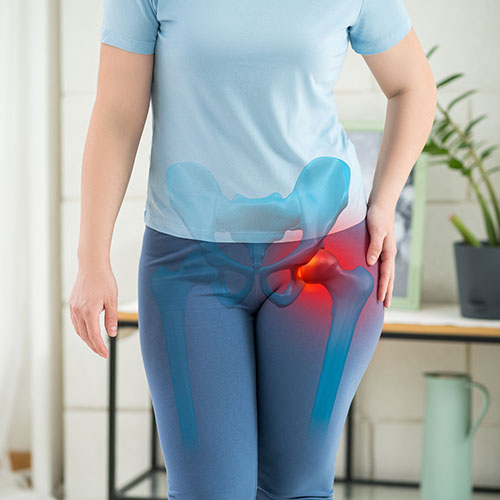
Tackling Hip Pain with an Integrated Approach
You want to take care of some chores or go for a run — but hip pain is keeping you on the couch. If this sounds familiar, know that you don’t have to suffer! At Vibrant Health Solutions, our integrated team will guide you through a simple process to address your hip pain so you can get active again.
This newsletter will take you through that process, from understanding your symptoms to the outcomes you can expect from our unique approach. Still have questions? Call us to schedule an appointment!
Assess Your Symptoms
When you visit us for your initial appointment, one of the first things we’ll do is ask you to share your symptoms. “Hip pain” often causes a lot more than just pain, and being able to describe your pain, mobility limitations, and other concerns helps us get a clearer picture of your condition.
For example, you know that your hip hurts. But when do you experience pain (i.e., during activity)? Does your pain come and go? Where do you experience pain? Is it just in your hip, or do you feel it elsewhere? Is the pain a dull ache? Sharp and shooting?
Make sure to share additional symptoms you might be experiencing, too. Here are some common ones:
- Difficulty performing everyday tasks, such as putting on your shoes — and let us know which ones
- Stiffness/limited range of motion in your hip
- Weakness throughout the lower extremities
- Mobility issues, including walking, going up or down stairs, or struggling to stand up
Identify a Cause
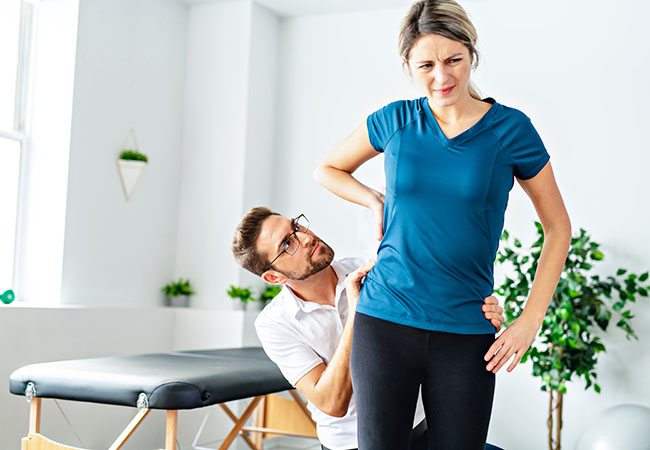
Thanks to your detailed symptom description — as well as a health history and comprehensive physical exam — your practitioner should be able to determine the underlying cause of your hip pain.
If you’re 55 or older, there’s a good chance your hip pain stems from osteoarthritis. This degenerative condition causes cartilage and bone tissue to break down, leading to pain and restricted mobility.
However, hip pain can also stem from an injury. If you’re an athlete or particularly active person, you may have suffered an acute injury, such as a labral tear, in which a ring of cartilage in the hip socket becomes damaged. You may have also sprained your hip — that is, damaged the ligaments that hold the joint together.
However, even if you haven’t had an obvious injury, an injury could still be to blame. Overuse injuries are injuries that develop gradually and, in the hip, generally affect the soft tissue — your muscles, tendons, and ligaments. They usually occur due to repetitive movements or improper biomechanics.
Are You A Runner?
Overuse injuries are a common source of hip (or knee) pain in runners, and you can treat and prevent them by correcting your running gait. We offer in-depth running analyses to identify any problems in your movement so you can know what to address.
While we offer these assessments all year round, they are free for a limited time! Whether you’re experiencing pain during your runs or just want to prevent it, you’ll benefit from a running assessment.
Develop a Treatment Plan
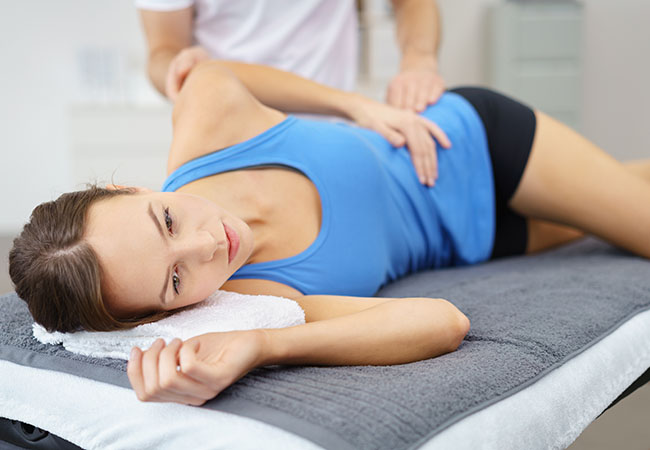
Your treatment plan will vary based on the underlying cause of your pain, but in most cases, we aim to…
- Help manage acute pain with manual therapy, laser or ultrasound therapy, or saline-based hip joint injections.
- Improve mobility and range of motion through targeted stretches and joint adjustments.
- Build strength in the muscles surrounding the hip to support the joint.
- Restore your ability to perform everyday movements, such as going up stairs — and for the athletes, we’ll help restore your ability to perform sport-specific movements.
Understand Your Outcomes
As with treatments, your exact outcomes will vary based on the underlying cause. However, other factors can come into play, too, such as age, health status, and the amount of time you can spend on your treatment program (whether in the clinic or performing home exercise programs).
If you stick with your prescribed exercise program, you can minimize pain, slow the progression of your condition, and delay or even avoid surgery. If you suffered an injury, you likely will be able to resolve your hip pain, usually within 1-3 months. However, if your injury was severe, full rehabilitation — the point at which you’ve fully restored strength and function — may take longer. Continuing any prescribed exercises and other treatments is important even if you no longer feel pain.

Start Your Own Journey to Hip Pain Relief Today
No matter the reason for your hip pain, the multidisciplinary team at Vibrant Health Solutions will guide you toward lasting relief. Call us today to schedule an appointment to get started!
And if you’re a runner, don’t forget to ask about our running assessments – which are free for a short time!
Patient Success Story
“I came in with pain and limited movement with my right knee and lower leg. I left with greater mobility and a great reduction of pain.”
— 5-Star Google Review
Meet Allea
Allea joined our team in December 2024 as a Patient Care Coordinator, bringing her passion for health and wellness to our practice. She graduated with a degree in Exercise Science from Southern Illinois University Carbondale in 2022.
Allea loves working at Vibrant Health Solutions / TherapyWorks because of the positive energy, caring staff, and the opportunity to help patients begin their journey toward achieving vibrant health. Her dedication and enthusiasm for holistic healing make her an invaluable part of our team! Outside of work, Allea enjoys watching sports, spending time by the pool, and attending work out classes!


Feel Better by Eating Better!
Juicy Baked Chicken Breast
- 4 (7 to 8 oz) boneless, skinless chicken breasts
- 2 tsp olive oil
- 1 tbsp chili powder
- 1 tsp parsley flakes
- 1/2 tsp salt
- 1/2 tsp black pepper
- 1/2 tsp garlic powder
- 1/2 tsp onion powder
- 1/2 tsp cumin
Pre heat oven to 425 degrees F. Line a baking sheet with foil and spray with non-stick spray. Place the chicken breasts between two sheets of parchment paper and pound to an even thickness. Drizzle both sides of chicken with olive oil. Combine seasonings and sprinkle generously over both sides of the chicken breasts. Bake for 20 minutes. Remove from oven and cover loosely with foil for 5 minutes before slicing.
Exercise of the Month
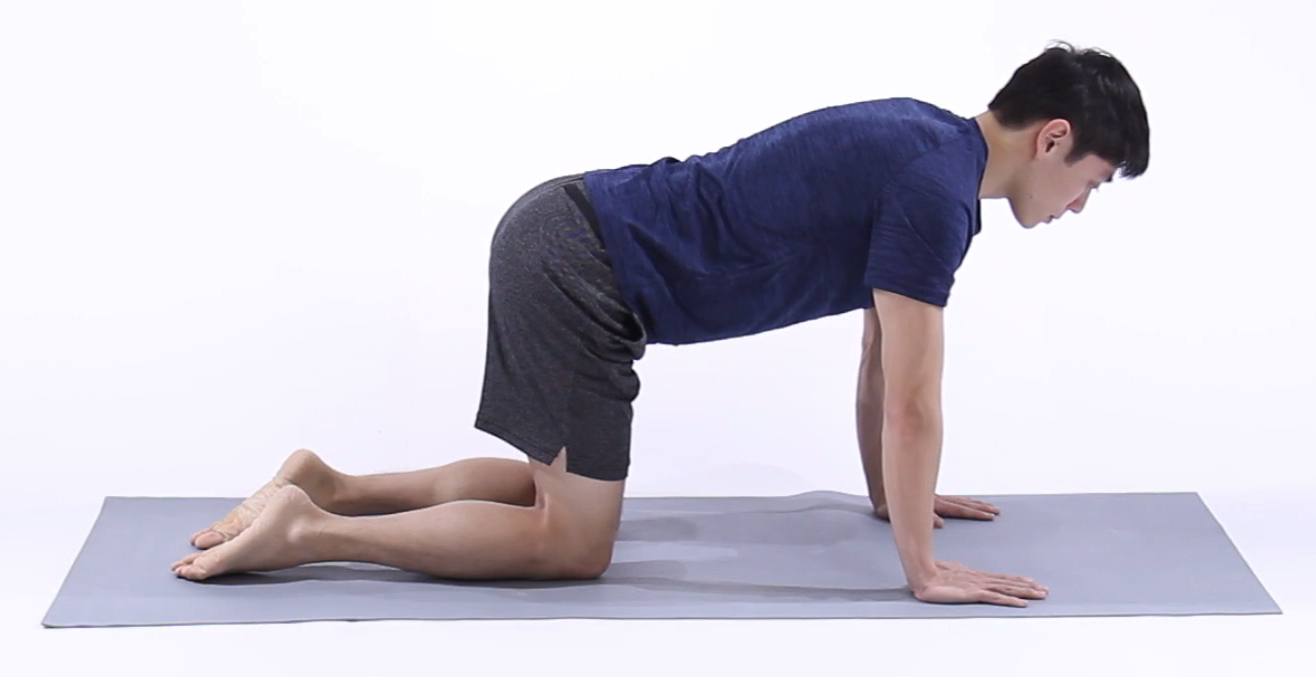
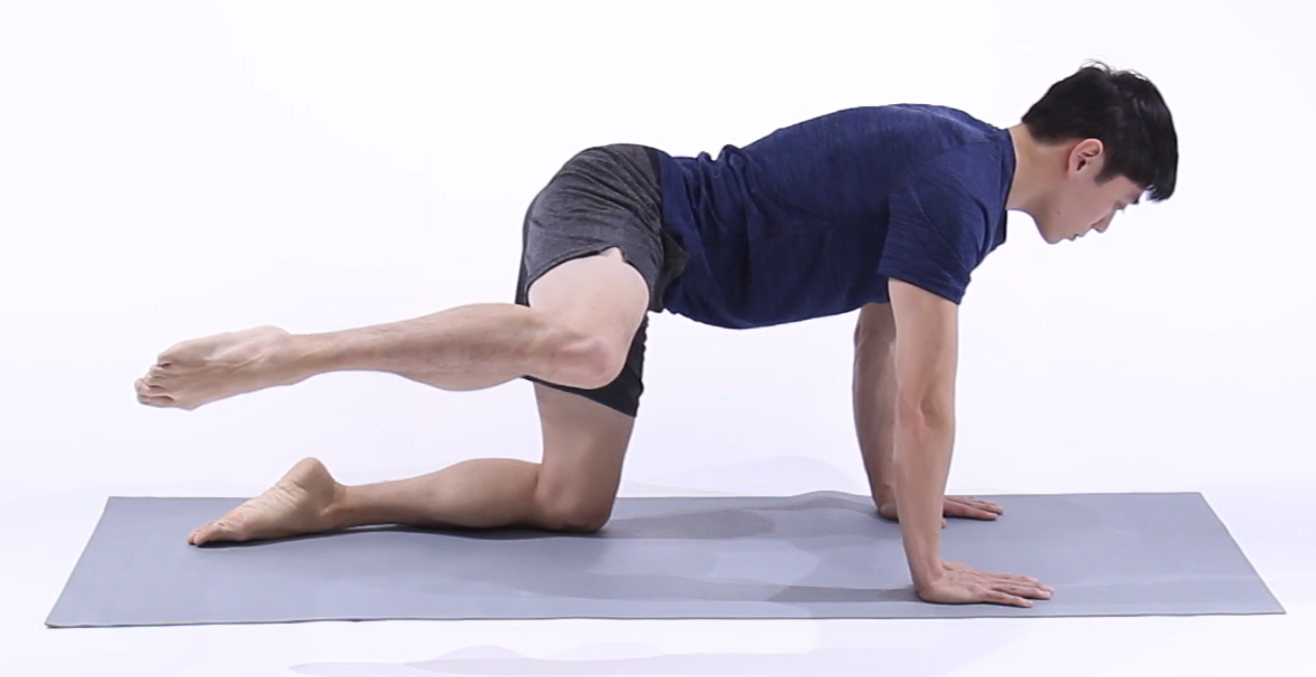
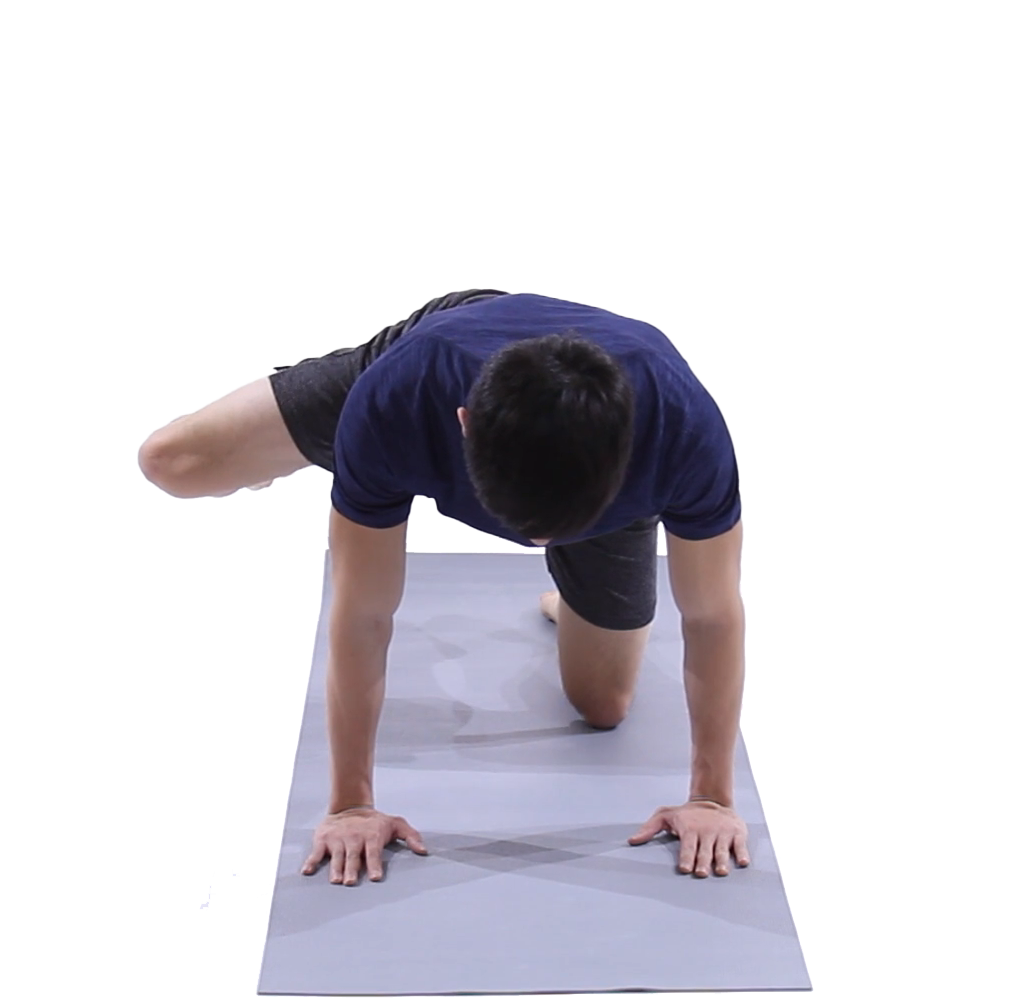
Hip Abduction (Quadruped)
Begin on all fours, with wrists directly under the shoulder and knees directly under the hips. Engage your abdominals and slowly lift one knee out to the side, keeping your knee in line with the hip. Hold as instructed, then bring your knee back down to the floor. Repeat 3 sets, 10 reps each.


Let’s Get You Better ASAP!
Don’t let pain dictate your life. Take the first step towards reclaiming your mobility and well-being with our expert support. Start your journey to a healthier you today.