




An Integrated Approach to Foot and Ankle Sprains and Strains
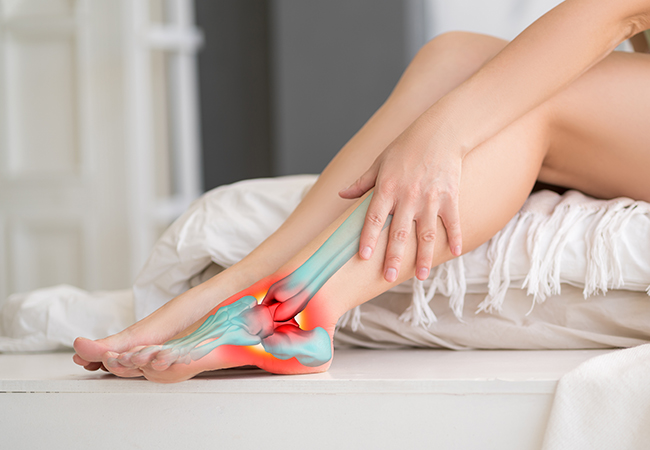
Have you recently injured your ankle or foot? Are you experiencing persistent pain since spraining your ankle? When dealing with foot or ankle discomfort, it’s essential that you address the underlying cause of your pain — otherwise, you risk long-term complications.
Fortunately, the multidisciplinary team at Vibrant Health Solutions can help you do exactly that! While many factors can lead to foot and ankle pain, sprains and strains are among the most common. Even if your pain subsides, dysfunction may still be present and lead to re-injury or chronic pain.
If you have noticed limited mobility, persistent pain, or balance and gait problems since your injury, we’re here to help. We’ll conduct a thorough evaluation and develop a comprehensive program to fully rehabilitate your injury and help you avoid another.
Our treatment will also focus on helping you avoid repeated sprains by improving proprioception, coordination, and neuromuscular control—essential components to ensure your joints are functioning properly and adapting to uneven surfaces or quick changes in direction.
Call today to get started.
Sprains vs Strains: What You Need To Know
Sprains
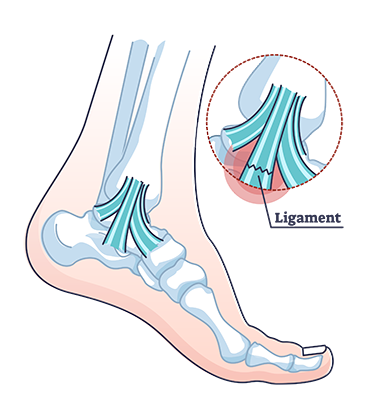
Sprains occur when a ligament (the tissue that connects one bone to another bone) is stretched or torn. They typically result from sudden injury, such as rolling your ankle. Symptoms include:
- Pain
- Swelling
- Limited range of motion in the joint
- A sense of weakness or instability
Strains
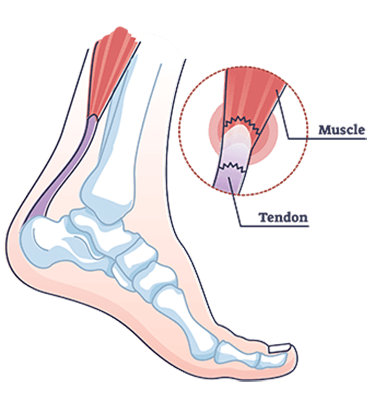
Strains occur when the muscle or tendon (the tissue that connects muscle to bone) is stretched and torn. Strains can result from sudden injuries while running, jumping, or performing awkward movements, but they can also develop due to repetitive motions that stress the tissue. Symptoms include:
- Pain or tenderness
- Swelling
- A sense of weakness in the affected muscle
It can sometimes be difficult to distinguish between a strain or a sprain, as pain can radiate throughout the general area. For example, a strain in your Achilles tendon might feel like an ankle sprain. However, it’s important to pinpoint the precise injury to ensure you receive the correct treatment.


Treating Foot and Ankle Sprains or Strains at Vibrant Health Solutions
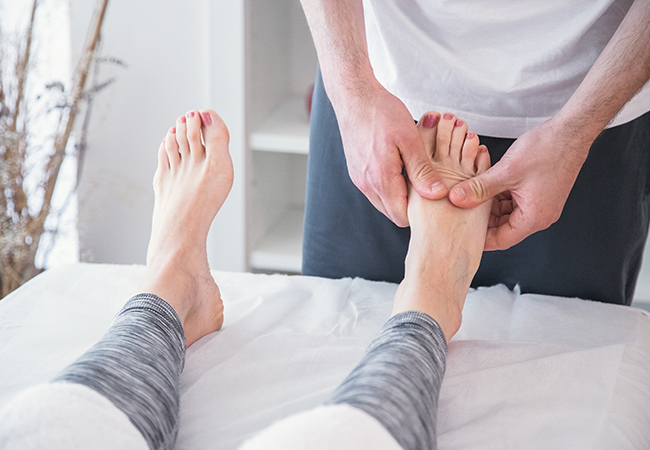
During your first visit, we’ll perform a thorough assessment that includes a detailed health history and a hands-on evaluation of the injured area. This assessment will help us classify your injury’s severity so our multidisciplinary team can develop a treatment plan to address your needs.
Acute Treatment
If your injury is extremely recent, your treatment will initially focus on reducing pain and swelling and restoring motion to the injured area. We recommend that you avoid activities that could further injure the area for the first 24-48 hours, and we can let you know if you might benefit from using crutches, braces, or orthotics as your injury heals.
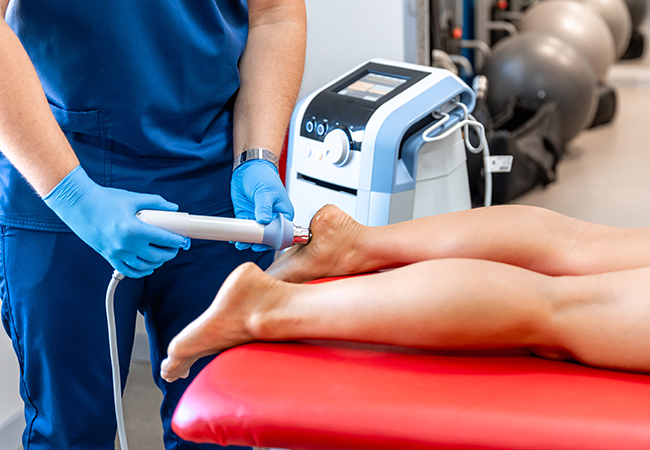
We also offer several drug-free options for pain management, including laser therapy and hands-on manual therapy techniques. One great benefit of these approaches is that they can facilitate your body’s natural healing processes, helping you get further along in your rehabilitation.
Long-Term Rehabilitation
Once your injury has progressed, it’s time to focus on rehabilitating the area. This is especially important if you’ve suffered an ankle sprain, as the injury weakens the ankle joint and makes it much more likely to suffer another sprain. Rehabilitation helps decrease that risk.
We’ll guide you through a therapeutic exercise program that aims to restore your mobility and strength in the affected area. We’ll also work with you to improve balance and coordination to help lessen your risk of re-injury.
Our approach also looks for any changes in your gait pattern that may make it difficult for you to move around freely. Dysfunctional movement patterns can last for years and lead to re-injury and potentially other injuries, so our team will work with you to address that dysfunction before it can cause significant problems.
We also focus on strengthening the muscles of the hip, particularly the hip flexors, as weakness in this area can contribute to poor lower limb mechanics and lead to overuse injuries like shin splints. By improving hip strength, we support better alignment and movement efficiency throughout the lower body.
In some cases, we may also recommend bracing to help stabilize your joint as you complete your long-term rehab program.
Call Today to Set Up Your Initial Assessment
Sprains and strains in the foot or ankle can greatly impact your day-to-day life. They can make even basic chores more challenging and keep you from the activities you love. But by addressing these injuries at their root, you can resolve your discomfort and reduce the odds that you’ll suffer a similar injury in the future.
Contact Vibrant Health Solutions today to schedule a consultation and get started on your journey to lasting pain relief!
Patient Success Story
“After years of dance, I thought my feet and ankles were tough. Then I started getting pains through the arch of my feet. Although I tried to stretch at home, the pain kept coming back. Luckily I tried TherapyWorks next! TherapyWorks introduced me to new tools and techniques to alleviate my pain and exercises to prevent the pain from coming back. I had stopped dancing, but I feel ready to take class again and get back to doing what I love. I’m hugely appreciative of the caring and knowledgeable staff who helped me along my journey!”
— 5-Star Google Review

FREE Workshops
Back Pain and Sciatica FREE Virtual Workshop
Wednesday, April 16th, 2025 @ 6:30 pm
With Cindy Johnson, M.S. P.T., MCMT, Owner/Director
Spring Into Action: Don’t Let Back Pain Hold You Back this Season
Limited Time Spring Special

What’s Included?
Initial Consultation
Spine & Joint Check Up
Functional Spine Evaluation
Trigger Point Assessment
Posture Analysis
Written Report
Claim Your FREE Exclusive Back Pain Package NOW!

STEP INTO RELIEF: FREE FOOT AND ANKLE CHECK UP
YOUR FEET DESERVE A BREAK.
Claim Your Free Foot & Ankle Check Up Now – Relief Starts Here.
Feel Better on Your Feet:
Claim your Foot and Ankle Check-Up Now!
What’s Included?
Initial Consultation
Foot and Ankle Check Up
Functional Evaluation
Written Report
Meet Dr. Ethan Peterson
Ethan Peterson, DC
Dr. Ethan Peterson brings a lifelong passion for movement, healing, and teamwork to his role as a Chiropractor at Vibrant Health Solutions. He began his academic journey with an Associate of Science degree from Carl Sandburg College, followed by a Bachelor of Science in Exercise Science from the University of Kansas. He later earned his Doctor of Chiropractic from Cleveland Chiropractic College.
Dr. Peterson is especially passionate about addressing low back pain, the most common cause of disability worldwide. He takes pride in the idea that he can make an impact on this condition by using his hands and a few tools, as well as collaborating with other professionals who have the same motivation in mind: help the body heal in the most natural way possible without unnecessary medications and surgeries.
Dr. Peterson is a former baseball player and volunteer youth coach in Kansas City for three years, and has always found fulfillment in helping others. He believes the same qualities that build great athletes — care, compassion, and teamwork — also make for a great healthcare provider. That philosophy drives his collaborative and compassionate approach to patient care during some of the most painful parts of their lives.
Competition has always been a major motivator for Dr. Peterson, and he embraces every opportunity to stay active through sports or friendly competition. He remains passionate about youth athletics and the lifelong benefits of teamwork and discipline. Spring is his favorite season, and to him, there’s nothing quite like the sound of a baseball hitting the back of a glove — it’s a moment that still feels like music!


Feel Better by Eating Better!
Sheet-Pan Chipotle-Lime Shrimp Bake
Looking for a flavorful, no-fuss dinner packed with zesty spice and wholesome ingredients? This Sheet-Pan Chipotle-Lime Shrimp Bake is the perfect weeknight meal! Roasted baby red potatoes create a hearty base, while asparagus, Broccolini, and succulent shrimp are infused with a smoky chipotle-lime butter for a deliciously bold kick.
Preheat oven to 400°. Place potatoes in a greased 15x10x1-in. baking pan; drizzle with olive oil. Sprinkle with 1/4 teaspoon sea salt; stir to combine. Bake for 30 minutes. Meanwhile, squeeze 1/3 cup juice from limes, reserving fruit. Combine the lime juice, melted butter, chipotle and remaining 1/2 teaspoon sea salt.
Remove pan from the oven; stir potatoes. Arrange asparagus, Broccolini, shrimp and reserved limes on top of potatoes. Pour lime juice mixture over vegetables and shrimp.
Bake until shrimp turn pink and vegetables are tender, about 10 minutes longer. Sprinkle with minced fresh cilantro.
www.tasteofhome.com/recipes/sheet-pan-chipotle-lime-shrimp-bake/
Ingredients
- 1-1/2 pounds baby red potatoes, cut into 3/4-inch cubes
- 1 tablespoon extra virgin olive oil
- 3/4 teaspoon sea salt, divided
- 3 medium limes
- 1/4 cup unsalted butter, melted
- 1 teaspoon ground chipotle pepper
- 1/2 pound fresh asparagus, trimmed
- 1/2 pound Broccolini or broccoli, cut into small florets
- 1 pound uncooked shrimp (16-20 per pound), peeled and deveined
- 2 tablespoons minced fresh cilantro

Foot Pain Prevention
Tips for Staying Active and Injury-Free This Spring
Spring is a time of renewal and rejuvenation, beckoning us outdoors to enjoy the warmer weather and blossoming nature. But for those prone to foot pain, the increased activity can also bring the risk of discomfort and injury. Fear not! With a few proactive measures, you can keep your feet happy and healthy while embracing all that spring has to offer.
Warm-up
Never underestimate the power of a good warm-up. Before engaging in any physical activity, dedicate a few minutes to proper warm-up exercises that target your feet, ankles, and calves. This will improve blood flow and prepare your muscles and joints for the demands ahead.
Choose the Right Footwear
Your shoes are your feet’s first line of defense against impact and strain. Invest in supportive, well-fitting footwear that matches your activity and foot type. Whether you’re hitting the trails, pounding the pavement, or simply strolling through the park, the right shoes can make all the difference in preventing pain and injury.
Listen to Your Body
Pay attention to any signs of discomfort or fatigue in your feet. If you experience pain during or after an activity, don’t ignore it. Pushing through pain can exacerbate existing injuries or lead to new ones.
Modify Activities
Don’t be afraid to adjust your activities based on your fitness level and any existing foot conditions. If you’re new to exercise, start slowly and gradually increase your intensity and duration.
Strengthen Your Feet
Strong feet are less prone to injury. Incorporate foot-strengthening exercises into your routine to improve your foot mechanics, enhance stability, and reduce the risk of pain.
By following these simple tips, you can protect your feet, prevent injuries, and enjoy the spring season. If you experience persistent foot pain or have concerns about your foot health, contact us today for a personalized evaluation and PT program to reduce your pain and get you back on your feet.
Let’s get started!

Exercise of the Month
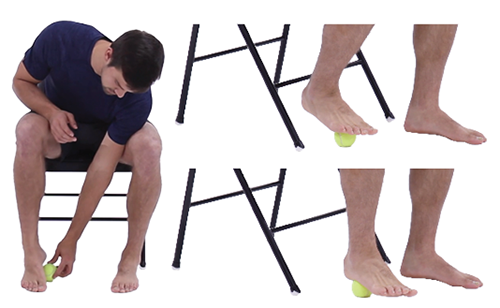
Foot Mobilization (Tennis Ball)
Start by sitting upright in a chair. Place a tennis ball under the foot you want to work just in front of your heel. Slowly roll your foot back so the tennis ball rolls up towards your toes and then roll your foot forwards so the ball goes back towards your heel. Make sure to keep pressure on your foot with the ball throughout the movement. Repeat 1 set, 2 reps.

Let’s Get You Better ASAP!
Don’t let pain dictate your life. Take the first step towards reclaiming your mobility and well-being with our expert support. Start your journey to a healthier you today.