




A Whole-Person Approach to Managing Neuropathy
Have you been experiencing numbness and tingling in your arms or legs? Do your muscles feel weak? Do you struggle with balance? All of these symptoms can point to peripheral neuropathy, a condition resulting from nerve damage. But at Vibrant Health Solutions, we offer several solutions to help address your concerns completely.
To understand neuropathy, you first need to understand your body’s nervous system. We can divide it into two parts:
- The central nervous system, which includes your brain and spinal cord
- The peripheral nervous system, which includes all the nerves outside the spinal cord
When you damage any of the nerves in your body, it can cause a wide range of symptoms depending on the source of the damage and the specific nerves affected. Central neuropathy, which affects the central nervous system, generally develops due to serious medical conditions like stroke, brain or spinal cord injury, or multiple sclerosis. However, peripheral neuropathy, which affects the peripheral nerves, can have a host of causes.
Today, we want to explore what our multidisciplinary team can do to help you manage peripheral neuropathy – how we can help alleviate symptoms and work with you to prevent complications.
A Quick Overview of Peripheral Neuropathy
Peripheral neuropathy occurs when something disrupts the normal function of your peripheral nerves. Some of the most common causes include the following:
- Diabetes
- Nerve injuries
- Autoimmune conditions such as lupus or rheumatoid arthritis
- Infections like Lyme disease or shingles
- Genetic conditions
Your body has three types of peripheral nerves, and your symptoms will vary depending on which types have been affected.

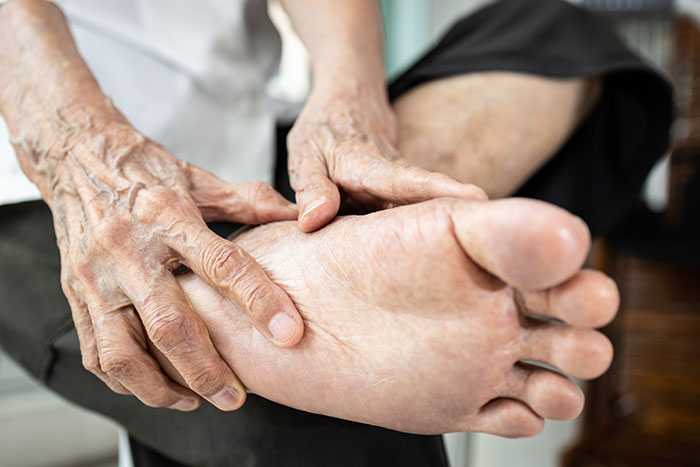
Sensory Nerve Symptoms
The sensory nerves interpret different sensations, like temperature or pain.
- Sensitivity to touch
- Numbness or tingling that starts in the hands or feet and then spreads into your arms or legs
- Sharp, shooting, or “electric” pain
Motor Nerve Symptoms
The motor nerves control muscle movement.
- Muscle weakness
- A lack of coordination or balance
- Difficulty moving

Autonomic Nerve Symptoms
The autonomic nerves control essential bodily functions like blood pressure, sweating, and heart rate.
- Heat intolerance
- Excessive sweating (or the opposite–not sweating at all)
- Dizziness or lightheadedness caused by drops in blood pressure
Three Ways We Help Manage Neuropathy Symptoms
Fortunately, there are several things you can do to address neuropathy before it becomes a significant problem.
Here are three techniques we often suggest:
1. Platelet-Rich Plasma (PRP) Therapy
- PRP therapy uses an injection derived from your body’s platelets to help repair damaged nerves. These platelets release growth factors that facilitate your body’s healing and regeneration, helping to reduce inflammation and pain while improving nerve function.
2. Massage Therapy
- Massage therapy gets the blood circulating, which helps deliver essential nutrients to the damaged nerves. As a result, you’ll experience less discomfort – whether pain, numbness, or tingling. Massage therapy can also help improve your mobility, which is sometimes affected by neuropathy.
3. Laser Therapy
- Laser therapy uses low-level light waves to stimulate nerve function, helping to reduce neuropathy-related pain.
By managing your neuropathy symptoms, you’ll find it easier to become physically active, which is essential in improving nerve health and function. Our team can also provide guidance on finding an exercise program that suits your needs, abilities, and interests.

You Don’t Have to Manage Neuropathy On Your Own!
At Vibrant Health Solutions, we understand that living with peripheral neuropathy can cause a variety of challenges. The diverse array of symptoms and causes makes it essential that your treatment plan be tailored to your needs. We can help you manage the underlying cause of your neuropathy, find the right blend of treatments to address your symptoms, and reduce your fall risk – all in one clinic!
Schedule an appointment for your initial consultation today.

Fresh Corn Cakes with
Summer Salsa
This speedy vegetarian entrée is absolutely bursting with peak-season produce. We suggest serving the cakes with an herby white bean and arugula salad.
Combine flour, cornmeal, baking powder, 1/2 teaspoon salt, and 1/4 teaspoon pepper in a large bowl. Combine sour cream, eggs, and 1 tablespoon oil in a bowl, stirring until smooth. Add sour cream mixture, corn, and jalapeño to flour mixture; stir just until combined. Heat a large nonstick griddle over medium-high heat. Divide corn mixture into 8 equal portions (about 1/3 cup each); shape into patties. Add patties to griddle; cook 6 minutes on each side. Combine squash, green onions, basil, vinegar, tomato, remaining 1 tablespoon oil, remaining 1/4 teaspoon salt, and remaining 1/4 teaspoon pepper in a bowl; toss. Place 2 corn cakes on each of 4 plates; top evenly with salsa.
- ¾ cup white whole-wheat flour
- ½ cup plain yellow cornmeal
- 2 tsp baking powder
- ¾ tsp kosher salt
- ½ tsp black pepper
- 1 cup light sour cream
- 2 large eggs
- 2 tbsp olive oil
- 1 ¼ cups fresh corn kernels
- 2 tbsp minced jalapeño
- ½ cup diced yellow squash
- ¼ cup chopped green onions
- ¼ cup chopped basil
- 1 ½ tsp white wine vinegar
- 1 medium tomato, chopped
Meet Claudia Navarrete
Claudia is our billing and collections specialist who thrives on problem-solving and has a keen eye for detail. Her love for stationery and passion for art and illustrations enrich her professional expertise *she has the cutest desk decor.* In addition to managing your accounts with precision, Claudia brings a vibrant energy to our office, complemented by her impeccable style.
She shares her home with her husband and four beloved dogs: Monty, Blue, Harry, and her pint-sized Chihuahua, Benny. Claudia’s dedication extends beyond her work; she is known for her fun-loving nature and her ability to uplift those around her. Her presence embodies positivity and enhances our team dynamic daily.

The Importance of Home Exercises for Recovery
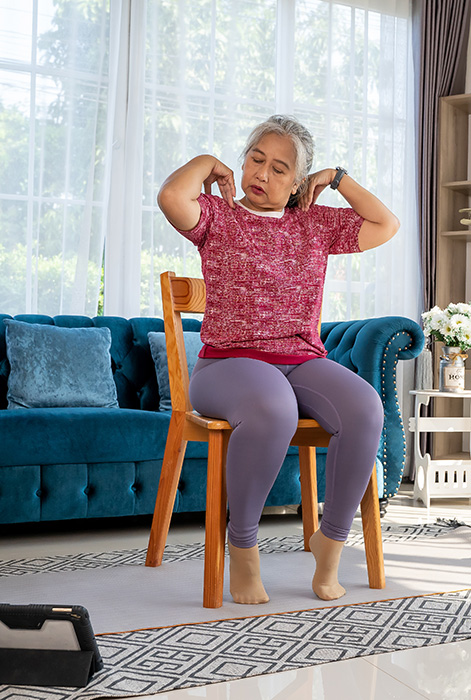
Home exercises prescribed by your physical therapist play a crucial role in the recovery process for various musculoskeletal injuries and conditions. Studies show that consistent adherence to home exercise programs significantly improves functional outcomes and reduces the risk of re-injury.
With rotator cuff injuries, patients who diligently followed their prescribed home exercise regimen experienced better shoulder function and decreased pain levels compared to those who were less compliant.
Positive mental health is a big part of a successful recovery. Active participation in home exercises can provide patients with a sense of empowerment and ownership over their recovery journey. When patients take an active role in their rehabilitation, it fosters a positive mindset and motivation towards achieving their goals.
Our PTs will educate you on the proper technique for each prescribed exercise so you can optimize your recovery without missing a beat.

Exercise of the Month
Standing March
Start by standing up straight (place both hands on the back of a chair for support if needed). Slowly lift one knee up towards the ceiling until it reaches hip height and then lower it back down. Do the same with the other leg keeping the abdominals contracted the whole time. Repeat exercise 10 times.

Let’s Get You Better ASAP!
Don’t let pain dictate your life. Take the first step towards reclaiming your mobility and well-being with our expert support. Start your journey to a healthier you today.