



Struggling With Pain That Won’t Go Away?
Don’t let discomfort slow you down! Schedule your FREE Pain Consultation today and take the first step toward lasting relief.

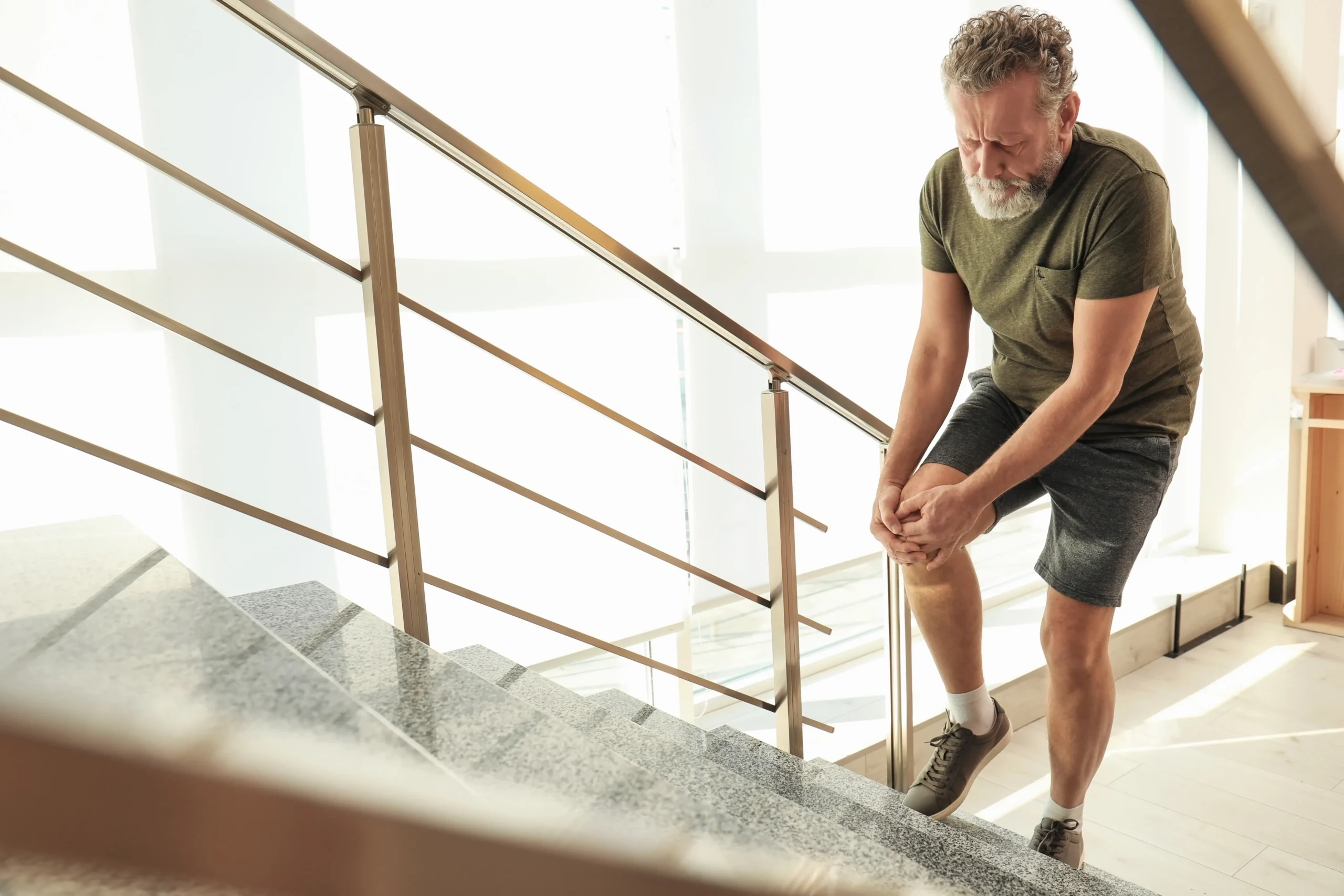
Don’t Let Arthritis Dictate Your Life
Our Unique, Multidisciplinary Approach Can Help You Manage Your Symptoms
Arthritis pain can be incredibly challenging, affecting your mobility and keeping you from performing even simple day-to-day activities. While arthritis is common–especially among older people–that doesn’t mean it’s easy to manage.
In fact, many people live with arthritis for years without real answers. Medications offer temporary relief. Surgery is a last resort option most people would rather avoid.
However, by looking at the whole picture of your health and not just your symptoms, you can find a smarter way forward.
At Vibrant Health Solutions, we use an integrated approach that brings together healthcare providers from various disciplines. Our goal? Help you move better, feel stronger, and reduce pain without relying on drugs or surgery.
Why Is Arthritis So Difficult to Manage?
Arthritis refers to inflammation in one or more of your joints. There are several types of arthritis, but the most common are chronic, meaning your symptoms have to be managed rather than resolved.
Furthermore, when left unaddressed, arthritis can have wide-ranging effects. It can damage the cartilage in the affected joint, causing pain, swelling, and limiting mobility. The symptoms can come and go or stay constant. Pain may feel dull or sharp. For many, arthritis flares up during activity or weather changes. For others, it’s worse after rest.
In short, everyone experiences arthritis differently. That’s why a one-size-fits-all treatment rarely works. For example, at Vibrant Health Solutions, we typically help people with the following types of arthritis:
Osteoarthritis (OA)
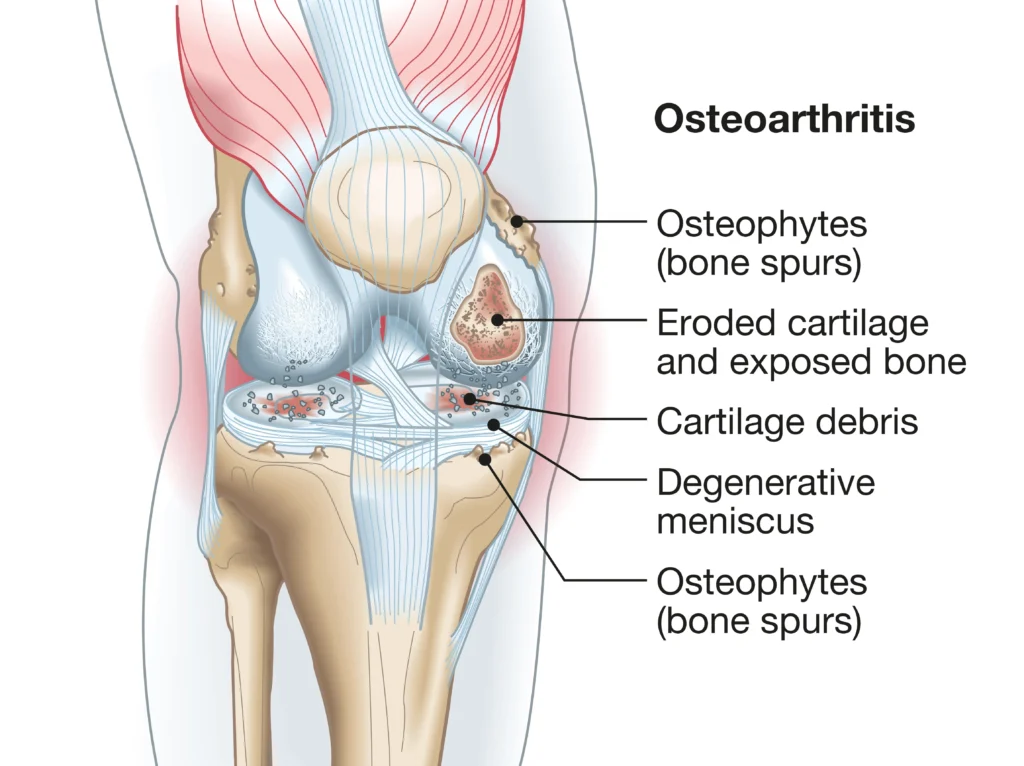
- This is the most common form. It occurs when cartilage in joints wears down over time, leading to pain and mobility restrictions. It can occur anywhere but often affects the knees, hips, spine, and hands.
Rheumatoid Arthritis (RA)
- RA is the second most common type of arthritis. Unlike OA, it’s an autoimmune condition in which the body’s immune system mistakenly attacks the joints. RA tends to affect smaller joints and often appears symmetrically (on both sides of the body).
While symptoms can be similar (pain, limited mobility), it’s important to address those issues at their root cause. While you might not be able to cure your arthritis, this approach can help minimize your symptoms so you can lead a full, active lifestyle.
How Our Integrated Team Will Help Manage Your Arthritis
Several healthcare clinicians work together at our clinic to provide coordinated arthritis care. Here’s how we support you from day one:
Step 1: An Initial Assessment
We start by getting to know you. We’ll ask about symptoms, prior injuries, work habits, and daily routines. Then, we’ll perform a physical exam to look for swelling, tenderness, restricted movement, or instability in the joints.
This step helps us understand the kind of arthritis you may have and how it affects your function.
Step 2. A More Precise Evaluation
However, we don’t stop with that initial assessment. We want to understand how your arthritis is affecting your body. To do this, we’ll evaluate the joint itself, as well as the surrounding muscles, tendons, ligaments, and posture. If needed, we might use diagnostic imaging to check joint alignment or rule out other causes.
Why do we do this? Because often, arthritis pain is worsened by issues in neighboring tissues. We identify those links so your treatment targets the actual cause.
Step 3: A Tailored Treatment Plan
Once we have the necessary information, our clinicians will collaborate to create a comprehensive treatment program based on your goals, lifestyle, and physical condition. We offer a wide range of services, including the following:
- Therapeutic massage to loosen tight muscles, improve circulation, and help with acute pain management
- Saline-based joint injections to reduce inflammation and ease pain in your affected joint
- Chiropractic adjustments to restore movement and reduce stress on your joints
- Targeted rehabilitation exercises to strengthen affected areas, improve joint stability, and reduce pain
- Bracing to further support affected joints and help you manage flare-ups
Step 4. Monitoring Ongoing Progress
Our work doesn’t stop once a plan is in place. We continuously check how your body responds to treatment and adjust accordingly. This might mean switching up techniques or focusing on new areas of concern.

You Don’t Have to Live With Arthritis Pain
If arthritis is slowing you down, it’s time to explore real solutions – like the complete care model we offer at Vibrant Health Solutions.
Want to learn more about how our team can help you move better and feel stronger? Schedule an appointment with us today to get started.
FREE ARTHRITIS CONSULTATION
Discover Lasting Relief – Book Your Free Arthritis Consultation Today!
Take the first step toward pain-free living with a free arthritis consultation tailored to your unique needs.
Patient Success Story
“As I did my therapy, I received many tips on continuing to work out at home. I really appreciate the calm teaching and explaining. Before therapy, I had trouble walking. At the end of therapy, I walk better than I have in 15 years. Thank you to the wonderful therapists.”
— 5-Star Google Review


FREE Workshop
Back Pain and Sciatica
Wednesday, July 16th, 2025 @ 6:30 pm
With Cindy Johnson, M.S. P.T., MCMT, Owner/Director
\
At Vibrant Health Solutions, we want to help everyone get active in the ways that work for them. Call us today for personalized guidance on what will work best for you!
Meet Kyley, PTA
Kyley is a Physical Therapist Assistant with a passion for helping others reclaim their mobility and reach meaningful goals. She earned her bachelor’s degree in Exercise Science from the University of Kansas in 2020, then went on to complete her PTA degree at Kansas City Kansas Community College in 2022.
Drawn to the recovery process and the opportunity to build genuine connections, she finds fulfillment in guiding patients from all walks of life through their healing journey. For her, few things are more rewarding than seeing someone achieve a goal they’ve worked hard to reach.
Outside the clinic, you’ll find her hiking, backpacking, or camping with her husband—or behind the lens, capturing the moment as a hobby photographer. She also plays five musical instruments and is currently renovating her fixer-upper home, one project at a time.

Feel Better by Eating Better!
Golden Gazpacho with Minted Cream
Fresh, mint-flecked cream is an elegant final touch to this summery soup of yellow tomatoes, peppers, and squash. This recipe originally appeared in The Beekman 1802 Heirloom Vegetable Cookbook by Brent Ridge, Sandy Gluck, and Josh Kilmer-Purcell.
Ingredients
- 1 lb. yellow tomatoes, cored and cut into large chunks
- 1 yellow bell pepper, cut into large chunks
- 1 small yellow squash (4 ounces), cut into large chunks
- 2 shallots, peeled and halved
- 1 cup carrot juice
- 2 Tbsp. sherry wine vinegar
- 3/4 tsp. kosher salt
- 1/2 cup fresh mint leaves
- 1/2 cup sour cream
Step 1 In a blender, combine tomatoes, bell pepper, squash, shallots, carrot juice, vinegar, and salt; purée until smooth. Transfer to a container and refrigerate until chilled.
Step 2 In a small saucepan of boiling water, cook the mint leaves for 10 seconds to set the color. Drain and rinse under cold water. Squeeze dry and finely chop. Transfer to a small bowl with sour cream and stir to combine.
Step 3 Serve soup in chilled bowls and top each with a dollop of minted sour cream.
https://www.countryliving.com/food-drinks/recipes/a5197/golden-gazpacho-minted-cream-recipe-clx0614
Exercise of the Month
CLAMSHELLS (EXERCISE BAND)
Lie on your side with knees bent and a resistance band around your thighs. Keeping feet together, lift your top knee without rotating your hips. Lower slowly and repeat to target the outer hips and glutes.
Struggling With Pain That Won’t Go Away?
Don’t let discomfort slow you down! Schedule your FREE Pain Consultation today and take the first step toward lasting relief.