




Three Sources of Shoulder Pain
And What We Can Do to Help
All you want to do is bring in a bag of groceries and put the items away – but shoulder pain prevents you from doing either! It sometimes surprises people how much they use their shoulders in their day-to-day lives, but that fact certainly becomes clear when they develop shoulder pain.
Fortunately, shoulder pain isn’t something you have to live with. By determining the underlying reason for your pain, the multidisciplinary team at Vibrant Health Solutions will work together to craft a customized treatment program that addresses your discomfort at its source – which helps you find lasting relief.
Today, we want to explore three common causes of shoulder pain and explore what we can do to help you resolve your discomfort for good.
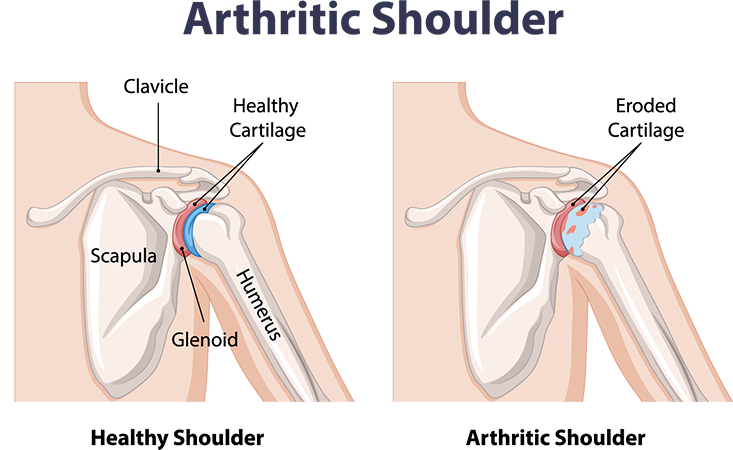
1. Shoulder Arthritis
Arthritis can develop in any joint in the body, including the shoulder. The most common type of arthritis, osteoarthritis, occurs when the cartilage in the shoulder degenerates and becomes inflamed. However, rheumatoid arthritis, an autoimmune condition, also often develops in the shoulder.
Both types of arthritis cause similar symptoms:
- Persistent pain in the shoulder joint
- Limited range of motion in the shoulder
- Stiffness that worsens in the morning or after resting
- A grinding or clicking sensation when moving your shoulder
An Example Treatment Plan for Shoulder Arthritis
Arthritis doesn’t have a cure. However, you can manage your symptoms by reducing inflammation, improving your shoulder’s strength and mobility, and staying active. Here’s what we might recommend as part of your comprehensive treatment program:
Hyaluronic Acid Injections
- Hyaluronic acid is a naturally occurring substance that lubricates your joints and helps keep them healthy. Osteoarthritis can reduce the levels of hyaluronic acid in your joints, so replacing it with these injections can help improve joint function.
Manual Therapy
- These targeted, hands-on techniques offer a noninvasive option for reducing pain and inflammation and improving joint mobility.
Therapeutic Exercises
- Exercise is a key component in managing arthritis symptoms. Strengthening the muscles that support your shoulder joint is especially important, as this helps support and stabilize your affected shoulder, minimizing pain in the long term.
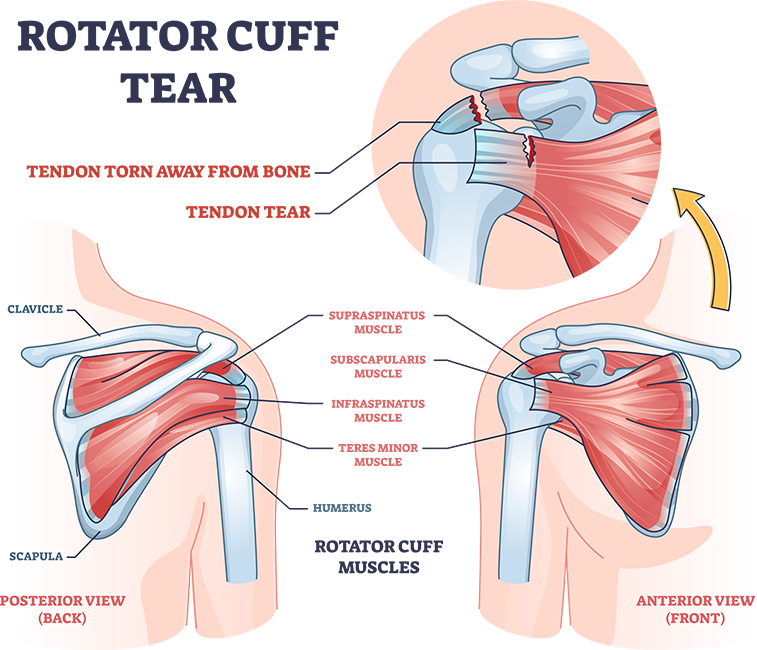
2. Rotator Cuff Tear
The rotator cuff is a group of muscles and tendons that wrap around your shoulder. Tears in the rotator cuff can develop due to an acute injury (such as a bad fall while playing sports) or repetitive shoulder movements (such as throwing a baseball). Symptoms include the following:
- Sharp pain that worsens with arm movement, particularly during overhead activities
- A dull ache that may extend down the arm
- A sense of weakness in the arm
- Difficulty lifting or carrying objects
An Example Rotator Cuff Tear Treatment Plan
When treating rotator cuff tears, we aim to reduce pain and restore shoulder strength. Here’s what that might look like:
Laser Therapy
- This non-invasive technique uses light waves that penetrate deep into affected tissue to reduce inflammation and facilitate recovery.
Chiropractic Adjustments
- Careful manipulation of the shoulder joint can improve its alignment, easing strain on the affected area.
Therapeutic Exercises
- Our physical therapists will guide you through a comprehensive program of rehabilitation exercises designed to improve your shoulder’s strength and mobility and help prevent future injuries.
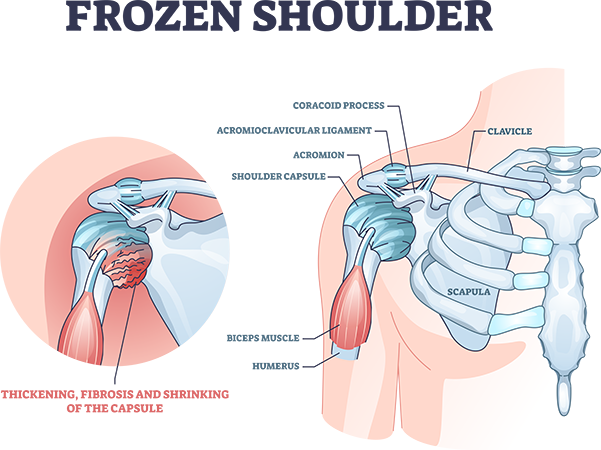
3. Frozen Shoulder
Frozen shoulder occurs when the tissues in the shoulder joint thicken and tighten. This condition develops in stages, with different symptoms at each stage:
- Stage 1: Severe pain and limited range of motion
- Stage 2: Pain lessens, but the shoulder joint becomes more restricted
- Stage 3: Both pain and restriction decrease
A Sample Frozen Shoulder Treatment Plan
While frozen shoulder does resolve on its own, the entire process can take months–sometimes up to two years. At Vibrant Health Solutions, we can help you alleviate your symptoms with these techniques:
Saline-Based Injections
- Injecting a saline solution into your shoulder joint can help break up the tissue restriction that causes frozen shoulder, reducing pain and improving mobility.
Manual Therapy
- Stretching techniques and shoulder mobilizations serve as a good complement to injections, further helping to improve your shoulder’s range of motion.
Therapeutic Exercises
- Targeted exercises can reduce stiffness and strengthen your muscle’s supporting muscles.

Struggling With Shoulder Pain? Try Our Multidisciplinary Approach
At Vibrant Health Solutions, we combine effective, all-natural treatment options to create a personalized care plan that tackles your pain at its source. Call us today to learn more about how we can help you!
Patient Success Stories
“Excellent therapist who works with your individual needs. I have been working on neck pain and shoulder pain. Through personal exercise programs headaches have been relieved and better posture has been achieved” —Andrew B.
“This is my first PT experience. My shoulder is getting better all the time. Daily exercises coupled with PT massage and stretches. Everyone is amazing here!” —Victoria H.
Share your success story and inspire someone to get the help they need.

FREE Workshops
Shoulder Pain & Rotator Cuff Workshop
Wednesday, January 8th, 2025 @ 6:30 pm
Back Pain and Sciatica Workshop
Wednesday, January 22nd, 2025 @ 6:30 pm
Facebook Live
Join us for our Facebook Live sessions:
Thursday, January 2nd @ 11:30 am
Tuesday, January 7th @ 11:30 am
Tuesday, January 14th @ 11:30 am
Tuesday, January 21 @ 11:30 am

Vibrant Health Solutions
Wellness Check
Join us for FREE:
• Posture Assessments
• Trigger Point Chair Massages
• “Ask the Professional”
on January 29th from 3-5pm.

Three Exercises to Strengthen Your Shoulders and Upper Back
Maintaining strength throughout your shoulders and upper back is crucial to avoid neck pain! The physical therapists at Vibrant Health Solutions can help you develop a customized exercise program that addresses your needs and fits with your abilities.
Curious about what exercises we might include in that program? Here’s an overview of three common resistance training exercises we often use to help people with neck discomfort. Before trying any of them yourself, make an appointment with our team to ensure you’re using the right weight and proper form.
1. Shoulder Press
With a dumbbell in each hand, make a “field goal” shape with your arms: your arms are bent at a 90-degree angle with your palms facing up. Brace your core as you press the weights overhead, then slowly lower them back down to your starting position.
2. Reverse Flies
Lean forward at your waist with your elbows slightly bent and dumbbell in each hand. Slowly raise the weights until they are in line with your shoulders.
3. Modified Push-Ups
Push-ups are a great way to build upper back and shoulder strength, but if you find the standard push-up too difficult, never fear: the modified version is just as effective. Start on your hands and knees (instead of your feet) with the body in a straight line from head to knee. Slowly lower your chest until it’s a few inches off the floor, then rise back up.
A dedicated strength-training program is a great way to reduce neck discomfort.
Schedule an appointment with us to get started with one of your own!

Feel Better by Eating Better!
Garlic Parmesan-Stuffed Mushrooms
- 15 mushrooms
- 1 tbsp canola oil
- 2 tbsp garlic, chopped
- ½ tbsp kosher salt
- ½ tbsp black pepper
- 8 oz cream cheese, softened
- ¼ cup Italian breadcrumbs
- ½ cup shredded parmesan cheese, divided
- 2 tbsp fresh parsley, chopped
- 1 teaspoon kosher salt
- 1 tsp black pepper
- fresh parsley, chopped, to garnish
Directions: Preheat oven to 350° F (180°C). Cut the stems off of each of the mushrooms and finely chop them, setting the mushroom caps aside for later. Heat the oil in a pan over high heat. Cook the chopped stems with the garlic, salt, and pepper for about six to eight minutes, constantly stirring. Remove from heat. In a medium bowl, combine cooked stems, cream cheese, breadcrumbs, half of the parmesan, parsley, salt, and pepper, mixing until evenly combined. Space out the mushroom caps evenly on a baking sheet, upside down. Spoon a generous amount of the cream cheese mixture on top of each mushroom. Top each mushroom with a sprinkle of parmesan cheese. Bake for 20 minutes. Garnish with a sprinkle of parsley, then serve!
Meet Sneha
Sneha Deepak Ghuman, MS PT
Sneha is a dedicated and experienced Physical Therapist with over 10 years of expertise in Physical Therapy. She earned both her Bachelor’s and Master’s degrees in Physical Therapy in India before moving to the United States, where she has been practicing for the past 5 years. Sneha also obtained Master’s degrees in Respiratory and Medical / Surgical Care.
Outside of work, Sneha enjoys staying active through walking, biking, and playing with her Goldendoodle, Leo. She is proud to be part of the Vibrant Health Solutions / TherapyWorks team, where she finds inspiration in the collaborative environment and shared commitment to enhancing patient care.

Exercise of the Month
Shoulder Rotations
Start by standing up straight with your arms by your sides. Raise both arms up so your elbows and armpits are at 90-degree angles with your forearms aiming straight up to the sides of your head. Your upper arms should be parallel with the floor and perpendicular to your body. Rotate your forearms down toward the floor, keeping your elbows where they are. Your palms should be facing behind you at the bottom. Rotate back up. 3 sets, 10 reps, hold.


Let’s Get You Better ASAP!
Don’t let pain dictate your life. Take the first step towards reclaiming your mobility and well-being with our expert support. Start your journey to a healthier you today.